Web design in 2025 is changing faster than ever—AI-driven layouts, faster frontend frameworks, serverless APIs, interactive branding, and user behavior–focused UX. Whether you’re running a business in Roorkee, Haridwar, Dehradun, Delhi, Mumbai, or anywhere globally, these trends directly influence how users interact with your website—and more importantly, whether they convert into customers.
If you’re planning a redesign, building a new site, or simply trying to stay ahead of competitors, this guide walks you through the most important web design trends for 2025, why they matter, and how small businesses can benefit from them.
Why Web Design Matters More in 2025
Your website is the first impression your business makes—before a phone call, before a WhatsApp message, before a store visit. In a world where attention spans are shrinking and AI-powered search platforms give users answers instantly, your website must communicate value fast.
In 2025, web design impacts:
- SEO — faster websites rank better
- Brand trust — users trust clean, modern layouts
- Conversion rate — good UX can double leads
- Mobile engagement — over 70% traffic is now mobile
If your website looks outdated, loads slowly, or feels confusing, users leave instantly. The trends below will future-proof your site and help you stay competitive in both local markets (like Roorkee/Uttarakhand) and global markets.
1. AI-Enhanced Web Design (Real-Time Design Evolution)
AI isn’t replacing designers—it’s enhancing them. In 2025, websites adapt based on user behavior—thanks to AI-assisted personalization, smart layouts, and real-time content optimization.
Examples:
- Showing different CTAs depending on user location
- Personalized product suggestions based on browsing behavior
- AI-based UX patterns improving layout automatically
- Predictive navigation (menus adjust based on what users want)
Google, Shopify, Wix Studio, WordPress builders, and even custom-coded websites now integrate AI to help businesses convert more visitors. If you’ve already explored AI SEO, check this reference article:
How AI Is Changing SEO in 2025.
2. Ultra-Fast Serverless Websites
Speed is a ranking factor, conversion factor, and user experience factor. Serverless websites—hosted on AWS S3, CloudFront, Netlify, Vercel—load in under 1 second and outperform WordPress sites relying on plugins and heavy themes.
Why serverless is dominating 2025:
- No servers = no downtime
- Extreme performance (static + CDN)
- Highly secure
- Low cost
- Scales automatically
If you want an example of serverless in action, here’s a guide we published:
How to Host a Serverless Contact Form Using AWS Lambda.
This shift is huge for small businesses who want performance without paying high hosting fees or dealing with complex maintenance.
3. Minimalist “Clarity-First” Design
Minimalism is no longer a trend—it’s the default. In 2025, users don’t want fancy animations or clutter. They want clarity, speed, and simplicity.
Key features of minimalist 2025 design:
- Simple color palettes
- Large spacing
- Clean typography
- Bold, clear headings
- No distraction elements
- Focused content sections
Minimalism leads to faster load times and higher conversions—a perfect mix for small businesses.
4. Mobile-First & Thumb-Friendly UI
More than 70% of users browse the internet on smartphones, making mobile-first design THE priority.
Mobile-first design includes:
- Large touch buttons & thumb-friendly spacing
- Collapsible menus with clear navigation
- Fast-loading mobile images
- Sticky contact buttons: Call | WhatsApp | Directions
- Minimal scroll fatigue design
For businesses in cities like Roorkee, Dehradun, or Haridwar—mobile-first websites can instantly increase call and WhatsApp leads.
5. Interactive Micro-Animations
Micro-animations are tiny movements that guide user attention—like hover effects, button motion, scroll-triggered animations.
Why they’re trending in 2025:
- The human eye loves movement
- It improves user engagement
- It highlights important content sections
- Makes websites feel modern
But overusing them leads to slower performance—so balanced use is key.
6. One-Page Websites (Simple & Straightforward)
One-page websites are ideal for small local businesses, freelancers, and agencies. Instead of multiple pages, everything is presented in a clean, scroll-based layout.
Benefits:
- Faster load time
- Better mobile experience
- Clear storytelling
- Higher conversions
- Lower bounce rate
This works especially well in local markets like Roorkee & Uttarakhand where users want info fast.
7. Dark Mode Designs
Dark websites feel modern, reduce eye strain, and create strong visual contrast for typography and images.
Tech companies, agencies, digital marketers, and personal brands are adopting dark-mode brands rapidly.
Even this article follows a dark-theme approach—matching your TEB Solutions blog style.
8. Authentic Brand Images (Goodbye Stock Photos)
In 2025, users prefer real brand imagery—your workplace, your team, your environment. Stock photos feel fake and decrease trust.
Use real photos of:
- Your team
- Your service process
- Your workspace
- Your equipment/tools
- Your clients (with permission)
Authenticity is a major conversion booster.
9. Lead Generation–Optimized Layouts
Websites are no longer just informational—they are designed to generate leads.
Modern lead-focused elements:
- Floating WhatsApp button
- Click-to-call on mobile
- Short contact forms
- Exit intent popups
- Sticky navigation with CTAs
- Testimonial sliders
Your goal isn’t just beauty—it’s conversions.
This relates well to your Marketing article:
Best Digital Marketing Strategies for Small Businesses in 2025.
10. Accessibility & Inclusive Design
Accessibility is no longer optional.
Websites must support:
- Screen readers
- Alt text for images
- High contrast mode
- Keyboard navigation
- Readable typography
Businesses ignoring accessibility will fall behind—not just legally but also in user trust.
11. Interactive Chatbots (AI-Powered)
AI chatbots are becoming part of modern web design. They answer queries, collect leads, book appointments, and guide visitors.
Benefits:
- Instant replies = higher conversions
- 24/7 lead capture
- Reduced support workload
- Personalized conversations
12. Interactive Visual Storytelling
Users no longer want text-heavy websites—they want stories, visuals, and experiences. Scroll-triggered storytelling layouts help guide users through your service journey.
Modern users engage with:
- Motion graphics
- Visual timelines
- Infographics
- Process walkthrough animations
- Interactive galleries
This type of design works beautifully for agencies, architects, photographers, and consultants.
13. Bold Typography & Visual Hierarchy
Typography is a design trend every year—but in 2025 it becomes the hero. Websites now use:
- Large, bold headlines
- Heavy font-weights
- High-contrast type
- Storytelling h1/h2 sections
Typography alone forms the brand perception of modern websites.
14. Faster, Code-Light Frontend Frameworks
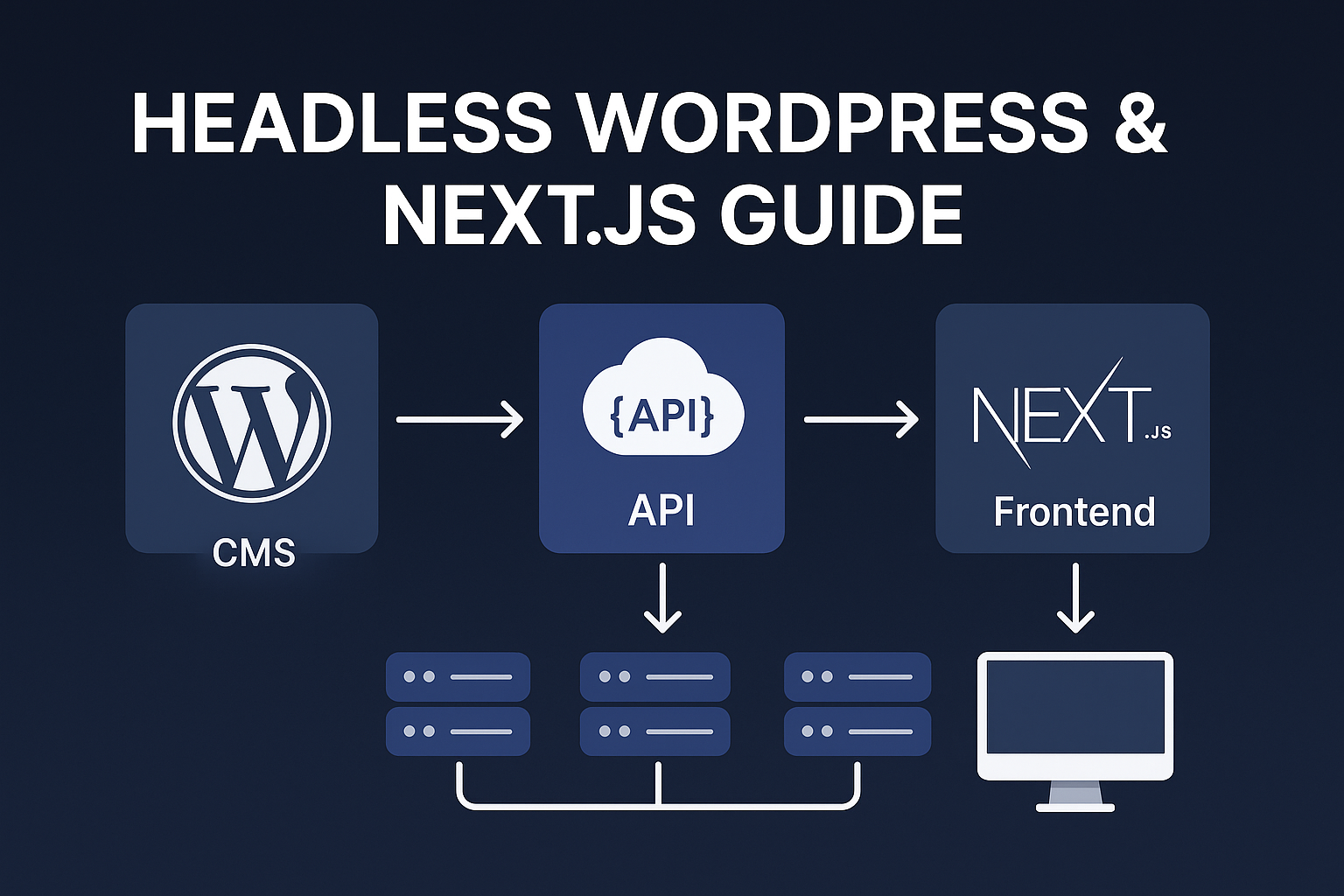
Developers are using newer frameworks like Astro, SvelteKit, Next.js (app router), and Hydrogen for speed and interactivity.
Benefits:
- Instant page load
- Less JavaScript bloat
- SEO-friendly static output
- Better security than WordPress
Combined with serverless backends, you get extremely fast, secure, scalable websites.
15. Data-Driven UX (Heatmaps, Scrollmaps, Behavior Analysis)
Design decisions are no longer guesses. Heatmap tools like Microsoft Clarity, Hotjar, and Plerdy show how users behave.
You can track:
- What users click
- Where they scroll
- Where they get stuck
- Which sections drive conversions
This kind of data-driven design will dominate 2025.
Conclusion — 2025 Is the Year of Smart, Fast, Human-Centered Web Design
If you’re a small business, freelancer, agency owner, or startup founder, the future of web design revolves around clarity, speed, interactivity, and trust.
To get the best results in 2025, focus on:
- Fast websites (preferably serverless)
- Minimalist, modern layouts
- Mobile-first experiences
- Human-based content + AI assistance
- Consistent brand storytelling
- Lead-generation optimized design
Web design is no longer about “pretty visuals.”
It’s about business growth.